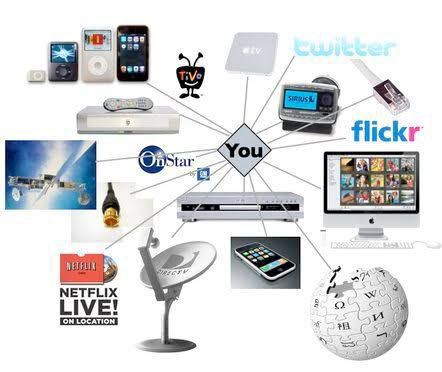
Media multiplicity refers to the vast array of media platforms and sources available to individuals in today’s digital age. This constant barrage of information can have a significant impact on a person’s daily life in a number of ways:
- Information overload: With so many sources of information available, individuals may feel overwhelmed by the sheer volume of content they are exposed to on a daily basis. This can make it difficult to discern what is important and relevant, leading to mental fatigue and difficulty in focusing on tasks.
- Filter bubbles: The algorithms used by many social media and news platforms can create filter bubbles, where individuals are only exposed to content that aligns with their existing beliefs and opinions. This can result in echo chambers and limit exposure to diverse viewpoints, leading to reinforcement of existing biases and a lack of critical thinking.
- Fragmentation of attention: Constant exposure to multiple media sources can lead to a fragmented attention span, making it difficult for individuals to concentrate on one task for an extended period of time. This can affect productivity and engagement with meaningful activities.
- Influence on decision-making: Media multiplicity can exert a significant influence on individuals’ decision-making processes, impacting everything from consumer choices to political beliefs. The constant stream of information can shape perceptions and attitudes, often without individuals being fully aware of the impact.
- Stress and anxiety: The constant barrage of information from multiple media sources can contribute to feelings of stress and anxiety. The fear of missing out (FOMO) and the pressure to keep up with the latest news and trends can take a toll on mental health and well-being.
Overall, media multiplicity can play a significant role in shaping an individual’s daily life, influencing everything from how they perceive the world around them to the decisions they make. It is important for individuals to be mindful of their media consumption habits and take steps to filter and prioritize information in a way that supports their well-being and mental health.
references:
http://members.aect.org/edtech/ed1/08/08-04.html
https://www.sciencedirect.com/science/article/abs/pii/S187595211730006X
 social&emotiona outcomes of child abuse